
Strategies for Planning a Wedding That Truly Reflects Your Style


Image by Freepik

Strategies for Planning a Wedding That Truly Reflects Your Style

Every couple wants their wedding to feel like them — not a template lifted from Pinterest or a glossy magazine. Whether you dream of a barefoot ceremony by a northern lake or a black-tie evening in a downtown hotel, your wedding should reflect your personality, priorities, and budget. Here’s how to plan an event that’s authentically yours.

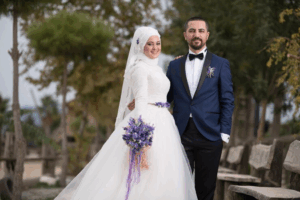
Photo by Dilara Doğar

At a glance

  • Decide on your shared vision early — intimate dinner or all-night dance party?
  • Choose a venue that fits your lifestyle and guest list, not just aesthetics.
  • Build a budget around your top three priorities.
  • Don’t underestimate the value of professional help for stress management.
  • Keep a sense of play: this day is about celebration, not perfection.

Define What ‘Your Style’ Really Means

Start by listing three words that describe you as a couple. “Cozy, outdoorsy, local”? “Modern, elegant, minimalist”? This exercise helps narrow design decisions and avoid getting overwhelmed by endless inspiration boards. In Canada, where the scenery can be as much a part of the event as the décor, the setting you choose will shape the entire mood — from the florals to the food.

Map Out the Essentials

Before you order anything or sign a contract, determine your non-negotiables: guest count, location, date, and budget. Everything else flows from these pillars.

Factors worth listing out before you dive in

  • Venue vibe: Urban loft, barn, art gallery, or community hall?
  • Season and climate: A winter wedding in Banff needs a different plan than a July garden party in Halifax.
  • Food and drink priorities: Cocktail-style reception or formal plated dinner?
  • Entertainment goals: DJ, live band, or curated playlist?
  • Guest comfort: Transportation, accessibility, and overnight stays for out-of-towners.

Writing these down early makes later choices easier and more aligned with your vision.

Create a Budget That Mirrors Your Values

In Canada, wedding costs vary wildly—from $10,000 backyard gatherings to six-figure hotel soirées. The best way to stay grounded is to allocate funds according to what matters most to you. If you’re food lovers, spend more on the menu and keep décor minimal. If photography tops your list, choose a photographer and scale down elsewhere.

Priority Area % of Total Budget Why It Matters
Venue & Catering 40–50% Sets tone and guest experience
Photography/Videography 10–15% Captures the memories forever
Attire & Beauty 5–10% Expression of personal style
Décor & Florals 5–10% Enhances ambiance
Music & Entertainment 5–10% Keeps energy flowing
Misc. (gifts, stationery, insurance) 5% Often overlooked essentials

Use these percentages as a flexible guide, not a rulebook.

Personalize Every Element

Infuse your personalities into the day through small, meaningful touches: locally roasted coffee favors, a bilingual ceremony (English and French), or an Indigenous land acknowledgment if it’s important to you. Even your playlist can tell your story — from the first concert you attended together to songs that played on road trips.

Pro tip

If you’re compiling a slideshow or video of your journey, keep it short and heartfelt. A well-edited montage played during the reception helps guests connect to your love story. You can enhance your visuals using video effects in Premiere Pro to fine-tune lighting, stabilize shaky clips, and add or remove background elements.

Stay True to Your Comfort Zone

Trends come and go, but authenticity never dates. Love hiking? Host a mountaintop elopement and celebrate later with friends at a local brewery. Prefer structure? A hotel ballroom with sleek lines and soft lighting can be just as personal if it reflects your taste.

The Wedding-Planning Checklist

A little structure keeps planning on track and prevents last-minute panic.

  • Finalize budget and guest list
  • Book ceremony and reception venues
  • Hire key vendors (planner, caterer, photographer, music)
  • Choose wedding party and send save-the-dates
  • Shop for attire and arrange fittings
  • Plan décor, florals, and rentals
  • Secure transportation and accommodations
  • Confirm legal paperwork and officiant requirements
  • Schedule final vendor walkthroughs and rehearsal dinner
  • Take a deep breath — it’s your day, not a performance

FAQ

Before you finalize your plan, here are a few common questions couples ask.

How far in advance should we start planning?
Ideally, 12 to 18 months before your desired date, especially for high-demand venues or summer weekends.

Do we need a planner?
Not always. Many Canadian couples opt for a “day-of coordinator” who manages logistics without taking over creative control.

What’s one thing couples often overlook?
Lighting: It affects atmosphere, photos, and even guest comfort more than almost any décor element.

In Closing

Your wedding isn’t a production — it’s a reflection of your shared life. Focus on moments that feel real, delegate what stresses you out, and let the rest unfold naturally. The most memorable weddings aren’t flawless; they’re honest, heartfelt, and unmistakably you.

Financial Tips for Newlyweds: Building a Foundation That Supports the Life You’re Creating Together


Photo by Jack Sparrow

Financial Tips for Newlyweds: Building a Foundation That Supports the Life You’re Creating Together

Newlyweds often learn quickly that merging two lives means merging two financial worlds. Even couples who feel aligned emotionally may discover surprising differences in spending habits, savings philosophies, or long-term goals. This article explores practical, grounded money strategies for couples just starting their journey — with actionable steps and flexible guidance.

Quick Summary

Newlyweds typically benefit from shared visibility into financial accounts, aligned short-term priorities, a plan for long-term growth, and habits that reduce friction around money conversations.

Mapping Shared Priorities

Many couples focus on budgeting first, but alignment usually starts earlier — with articulating shared intentions. Some want to prioritize travel and experiences; others want aggressive debt payoff or rapid home-saving. There’s no universal “correct” approach. What matters is naming your goals clearly so the financial habits you build actually support the lifestyle you’re trying to create.

When couples skip intentional financial planning, friction increases. Expectations drift, spending feels uncertain, and one partner may feel deprived while the other feels anxious. Discussing priorities early transforms money from a stressor into a shared system.

Key Focus Zones for Newly-Married Financial Planning

  • Transparent account structure (joint, separate, or hybrid)
  • Debt strategy and repayment sequencing
  • Emergency fund sizing for a two-person household
  • Insurance upgrades (life, disability, health)
  • Lifestyle cost mapping: groceries, transportation, housing, leisure
  • Savings automation and investment contribution cadence

Increasing Long-Term Earning Power Through Education

Many couples revisit education after marriage because financial goals sharpen when viewed as shared future-building. One proven path to increasing your long-term earning potential is returning to school for an advanced degree that expands your career options and strengthens your professional credibility. Choosing a bachelor in business administration can open doors into accounting, business, communications, or management roles that offer higher salary ceilings and clearer advancement pathways. And because earning an online degree makes it easier to work while studying, couples can pursue upgraded skills without sacrificing income or stability.

Aligning Your Spending and Saving Styles as Newlyweds

Below is a compact table that outlines how many couples synchronize their spending and saving decisions.

Category Purpose Conversation Prompt for Couples Example Action
Joint Costs Shared life operations “How do we want to split recurring household expenses?” Create a joint bill-pay account
Individual Discretionary Personal freedom without judgment “What amount helps us feel independent?” Set equal monthly discretionary budgets
Short-Term Goals 1–24 month priorities “What do we want to accomplish before our next anniversary?” Start an automated high-yield savings bucket
Long-Term Growth Retirement, education, investments “What future are we building financially?” Allocate % of income to IRA/401(k)/investment accounts
Protection & Security Insurance, emergency reserves “What risks do we need to protect ourselves from?” Build a 3–6 month emergency fund

Money Conversations Newlyweds Should Have Early

  1. Schedule a Monthly Money Check-In
    Pick a consistent meeting time — short, routine, pressure-free.
  2. Review Spending With Zero Judgment
    Always start by observing, not criticizing.
  3. Name One Win and One Adjustment
    This keeps the energy collaborative and productive.
  4. Revisit Shared Goals
    Confirm that your actions still reflect your priorities.
  5. Agree on One Micro-Action Before Next Month
    Examples: adjust grocery budget, start a sinking fund, reallocate recurring subscriptions.

This ritual helps prevent financial surprises and nurtures trust.

Building a Budget That Fits Your Life Together

A newlywed budget doesn’t have to be hyper-detailed. Many couples thrive with a hybrid approach: a joint account for shared essentials and individual accounts for personal freedom. Others prefer full pooling to simplify management and maximize transparency. The right setup simply depends on your compatibility, income patterns, and comfort thresholds.

One useful method is the 70/20/10 structure: 70% for living expenses and lifestyle, 20% for savings, 10% for personal discretionary use. Because it’s percentage-based, it scales automatically when income changes.

Managing Debt Together

Most couples bring some mix of student loans, credit cards, or auto loans into the marriage. Combining debt isn’t necessary — or even advisable — in most situations. Instead, identify:

When couples understand the full picture, they can prioritize the debts that free the most monthly cash flow or carry the highest psychological weight.

Starting an Emergency Fund

An emergency fund is the quiet backbone of a peaceful household. Newlyweds should target a joint reserve that reflects shared living costs — often higher than what either partner needed alone. Consider also evaluating life insurance, disability coverage, and beneficiary updates across accounts to ensure your financial protection now reflects your new family structure.


FAQs

  1. Should we combine our finances right away?
    Not necessarily. Many couples use transitional hybrid systems that evolve as trust, stability, and life stages change.
  2. What if one partner earns significantly more?
    Percentage-based contributions (vs. 50/50) often feel more equitable because both partners contribute proportionally.
  3. Is it smart to invest while still paying off debt?
    Often, yes — especially when employer retirement matches are available or debt carries low interest rates.
  4. How often should we revisit our goals?
    Monthly check-ins work well, but major changes — a move, new job, or baby plans — warrant additional conversations.

Final Thoughts

Marriage reshapes the financial landscape, but with intentional planning, money becomes a tool for building stability, not a source of tension. Newlyweds thrive when they develop shared visibility, communicate openly, and commit to steady long-term growth habits. With the right systems in place, you create a financial foundation capable of supporting the experiences, milestones, and possibilities you’ll pursue together.


The House With Many Voices: Making Multigenerational Living Work


Photo by Freepik


There’s a kind of noise that lives in multigenerational homes — a baby squealing mid-laugh, a grandmother humming while folding laundry, a teen sighing at the Wi-Fi speed. Harmony isn’t about silence, it’s about tuning all those sounds into a rhythm that feels like home. Across Canada, more families are choosing to live this way, whether by necessity, tradition, or a blend of both. But a full house doesn’t always mean a peaceful one. To build a home that includes multiple generations, you need more than just square footage — you need strategy, patience, and a sense of humour. Here’s how to make that shared roof feel less like pressure and more like shelter.

Embrace the Shared Journey

In Canada, the number of multigenerational households has surged, and not just because of economic pressures. Cultural values, caregiving needs, and the rising cost of housing have all converged, turning extended family homes into a common solution. But living together long-term takes more than shared walls. It begins with acknowledging that everyone — from toddler to elder — is adapting. A successful multigenerational home doesn’t revolve around one group’s preferences. It moves like a system, balancing independence with intimacy. So before any renovation plans, you need to talk about the emotional layout of your life together and what multigenerational living in Canada really means to your family.

Digitize to Declutter

Paper builds up fast when three generations share a mailbox. Medical files, tax returns, school reports, handwritten letters — they stack up in drawers and closets until you’re one envelope away from chaos. The fix? Start digitizing paper documents. Convert them to digital files, organize them by year and category, and save them in a secure cloud storage. PDFs are especially handy for preserving formatting across devices and keeping everything uniform. An online PDF maker lets you convert or create PDFs easily, whether it’s from scanned files or typed documents. Less paper, more peace.

Talk It Out, Often

Forget one-and-done family meetings — real communication happens everyday. It shows up when Grandpa asks for a quieter dinner hour or when your teen wants to blast music mid-afternoon. You can’t solve what you won’t say. Developing strong family communication patterns is critical in multigenerational households, especially when personalities and life stages clash. Make room for regular check-ins that aren’t disguised complaints, but actual chances to adjust and listen. Some families do weekly meetings, others rely on group chats or mealtime debriefs. However you do it, prioritize clarity over passivity — silence may seem polite, but it breeds resentment fast.

Divide and Conquer

Cleaning a house with six people is hard. Cleaning it alone is hell. Everyone should have a part to play, even if it’s small, and especially if it’s shared. Older kids can handle trash and laundry, grandparents can prep vegetables or fold towels, and working adults can rotate deeper cleans. Dividing up shared household responsibilities helps reduce burnout and builds a culture of fairness, not favouritism. Post a chore chart if you must, or make task assignments part of your weekly routine. But do it early and revisit often, because household work has a sneaky way of defaulting to whoever is too tired to argue.

Carve Out Personal Space

Even in homes full of love, everyone needs a door to close. If you’re designing or adjusting your home for multiple generations, privacy isn’t a luxury, it’s survival. A basement suite, a finished attic, or a converted garage can become sanctuaries for autonomy. If that’s not possible, even visual boundaries like curtains or bookcases can create mental distance. It’s about creating zones where people can retreat, recharge, and be fully themselves without judgment or noise. Think beyond bedrooms — bathrooms, porches, and offices matter too when designing for privacy.

Set Boundaries, Not Walls

Let’s be clear: love doesn’t mean unlimited access. Everyone in a multigenerational household deserves boundaries — around time, space, noise, parenting, and even traditions. You can respect your father’s need to watch the news at 6 p.m. without turning it into a household rule. Likewise, your daughter may want the freedom to parent her way without unsolicited advice from elders. Learning to live together means making peace with differences, not pretending they don’t exist. Start by navigating family conflict with care, not avoidance. It’s not about winning the argument, it’s about protecting the relationship.

Celebrate the Little Things

It’s easy to focus on logistics in a busy, full house. But joy is what makes all the negotiations worth it. Plan monthly dinners, movie nights, or silly traditions that only make sense to your family. Let kids learn their heritage from grandparents through cooking, storytelling, or gardening. Share laughter and make room for rituals, because these are the things that stick when the house gets quieter one day. You don’t need a big vacation to make memories, just a shared laugh or an inside joke. Find ways to prioritize intergenerational family activities that aren’t chores disguised as bonding.


Multigenerational homes are built on compromise, but they thrive on care. It’s not always easy, and it won’t always be graceful, but the rewards can echo across decades. When everyone has a voice and a place, the house hums instead of groans. There’s no single blueprint — only the one you draw together, every day. So listen closely, laugh often, and remember: the more room you make for each other, the bigger your home becomes.

You can start to discover the thrill of every match with Amirazz and download the app on the Google Play Store to make every game count!

Love Unleashed: How to Include Your Pets in Your Wedding

Weddings are already a beautiful blend of love, chaos, and meaningful details — and when your heart belongs not just to your partner but also to your pet, it makes sense to want them by your side on the big day. Whether you’ve raised a goofy golden retriever together, have a cat that thinks it’s royalty, or share your mornings with the song of a pet bird, these companions are just as much part of your love story as anyone else. But the logistics of weaving pets into your celebration without creating a circus require both creativity and a level head. You can absolutely make it work — with a little planning, flexibility, and a good sense of humor.

Make Them Part of the Wedding Party

If your dog is friendly and can handle a crowd, giving them a role like ring bearer or flower pup can be a sweet (and hilarious) highlight. Cats are a different story — you’re not going to get most cats to walk down an aisle, but including them in pre-wedding portraits or getting-ready photos can still give them the spotlight. For birds, think perch-worthy moments like posing on your shoulder or even having them present during a quiet vow exchange. Whatever animal you’re working with, make sure their temperament matches the job — the last thing you want is a runaway pet mid-ceremony.

Design Custom Invitations with a Personal Touch

One of the most charming ways to nod to your pet in your wedding plans is by featuring them in your invitation design. Whether it’s a playful sketch, a hand-drawn portrait, or a photo integrated into the layout, it immediately makes the invitation feel like you — warm, personal, and full of life. If you already have a digital illustration or a clear PNG of your pet, you can use an online converter to turn it into a PDF, which is ideal for consistent formatting when printing or sharing electronically. For a tool that simplifies that step, check this out.

Incorporate Them into the Wedding Attire

You can have a lot of fun here without turning it into a costume party. A floral collar or a bow tie on your dog can be charming and still tasteful. For cats, a custom charm or tag with the wedding date or your initials adds a personal touch without bothering them too much — after all, most cats tolerate about two seconds of accessories. Birds, especially parrots or cockatiels, can rock a tiny, safe necklace or be photographed next to personalized signage that matches your decor. The trick is keeping everything safe, comfortable, and in your pet’s style lane.

Use Pet-Themed Decor with Real Meaning

If your furry or feathered friends can’t attend in person, you can still bring their presence into the aesthetic. Custom cocktail napkins with a sketch of your dog, table numbers featuring photos of your cat through the years, or a cake topper that includes all your pets can help them “attend” in spirit. You can even name the signature drinks after your animals — “Milo’s Mojito” or “Birdie’s Bellini” sounds way better than “Wedding Cocktail #3.” These kinds of touches make your guests smile and remind everyone that your pets are family.

Create a Chill Zone for Your Pet at the Venue

Even the most well-behaved pets need a space to decompress. A quiet tent or room where your dog can hang out with a pet sitter, complete with their bed and a stash of treats, is a smart move. Cats who travel well will need a safe, enclosed area where they can retreat, ideally with some familiar smells — don’t forget the litter box. Birds need a secure, shaded cage with water, food, and maybe some calming background music to buffer the noise. Basically, think of it like the VIP lounge: away from the madness, but with a great view.

Plan a Pet-Friendly Photo Shoot

If having your animal physically at the wedding is too stressful or just not feasible, schedule a separate session with your photographer. You can take engagement-style photos at home or in a quiet outdoor spot where your pet feels safe. Dogs tend to shine in these sessions — especially off-leash in open spaces — but cats can also cooperate if you’re in a familiar setting. Birds often look stunning in golden hour light, especially if they’re perched against a natural backdrop. You’ll end up with gorgeous memories that feel just as meaningful as anything shot on the wedding day itself.

Include Them in Your Vows or Ceremony in Symbolic Ways

If your animals can’t be there or are no longer with you, you can still honor their role in your relationship. You might mention them in your vows — maybe your partner’s willingness to accept your neurotic cat was what sealed the deal. Another idea: light a candle or have a moment of gratitude for the creature who brought you together or supported you through rough patches. Some couples even tie in a quote or reading about loyalty, companionship, or wild hearts. It adds emotional depth and makes the ceremony feel more personal and grounded.

At the end of the day, including your animals in your wedding isn’t about a trend — it’s about honoring the full shape of your life together. Whether they show up in bow ties and steal the spotlight or just quietly inspire the details, their presence adds something real. Weddings can sometimes get caught up in perfection, but pets are a reminder of love in its most honest form: messy, spontaneous, and wildly sincere. And if your dog decides to bark during the vows? Honestly, that’s just part of the story — and one you’ll tell for years.

Looking to build meaningful connections within the Muslim community? The Amirazz app offers a supportive platform tailored for Muslims seeking friendship, guidance, and halal relationships.

Should You Move to a Non-Muslim-Friendly Country for Your Spouse? 

The decision to relocate to a country that may not be welcoming to Muslims for the sake of love is a deeply personal one. Recently, a thought-provoking question sparked a lively discussion in the Amirazz group: “Would you move to a country that is not friendly towards Muslims to follow your spouse?”


Shared by Erni Herawati, this question elicited diverse perspectives from Muslims around the world, reflecting the complexity of balancing faith, love, and practical realities.

Let’s dive into the varied responses and explore the nuances of this challenging dilemma. Prioritizing Faith and Ease of Practice For some, the ability to practice Islam freely is non-negotiable. Rania Farzana expressed a strong preference for living in a Muslim-majority country where practicing Islam is seamless and halal food is readily available.

“I just want peace and easy to practice Islam. Practicing Islam is everything,”

she emphasized. Instead of relocating to a non-Muslim-friendly country, Rania would invite her spouse to move to her country, where they could build a life and business together. Her stance underscores the importance of an environment that supports spiritual and cultural needs. Similarly, Novika Andarwati prefers a spouse from her own country or a Muslim-majority nation, prioritizing a setting where her faith can thrive without obstacles. For these individuals, the challenges of living in a less welcoming environment outweigh the appeal of following a spouse abroad.

 Love and Adaptation: A Different Perspective

On the other hand, some see moving to a non-Muslim-friendly country as an opportunity to bridge gaps and challenge stereotypes. Jalil Anarig from the Philippines shared a heartfelt perspective:

“Why not if needed? That’s where you can prove that Muslim people are not that mean to be scared of or to be hated.”

Jalil believes in showing love and kindness as a neighbor and a Muslim, fostering understanding in a new community. Her devotion to her husband’s happiness drives her willingness to adapt, stating,

“I love my husband and I go wherever he takes me for the sake of his happiness.”

For Jalil, love transcends geographical and cultural barriers, and adaptation becomes a way to build a fulfilling life together.

Practical Considerations and Hardship

For others, the decision is shaped by practical challenges and comparisons to their current circumstances. Abdul Rahman Shuaibu from Nigeria highlighted the dire situation in his home country, where rising costs, hunger, and insecurity make life increasingly difficult. “This our own country Nigeria is about to collapse,” he noted, suggesting that the hardships at home might make relocation to a less Muslim-friendly country a viable, albeit tough, option. His response reflects how local conditions can influence such a significant life choice. Tijani Bilikisu posed a pragmatic question:

“Which one is easier? Leaving a country that is Muslim-friendly to a country that is not? Or living in a Muslim country?”

This highlights the need to weigh the relative challenges of adapting to a new environment versus staying in a familiar, faith-supportive one.

 A Balancing Act

The responses to Erni Herawati’s question reveal a spectrum of priorities, from unwavering commitment to faith and cultural ease to the willingness to embrace new challenges for love or necessity. Some, like Maryam Musa Garba from Nigeria, gave a succinct “no,” firmly rooted in their preference for a Muslim-friendly environment. Others, like Jalil, see relocation as a chance to demonstrate the beauty of Islam through kindness and resilience. Ultimately, the decision to move to a non-Muslim-friendly country for a spouse is deeply personal, shaped by faith, love, practical realities, and individual circumstances. Whether prioritizing the ease of practicing Islam or embracing the challenge of building bridges in a new land, each perspective offers valuable insight into the complexities of modern Muslim life.

What would you do? Would you follow your spouse to a country less welcoming to Muslims, or would you seek a path that keeps faith first? Share your thoughts and join the conversation.

I Waited and Prayed: How Patience and Faith Led Me to the Right Marriage

Assalamu Alaikum wa Rahmatullah,

I’d like to share my story—a personal journey of love, patience, and trusting in Allah’s plan. It’s a reminder that sometimes, the heart knows what it wants long before life makes it possible.

It all started in August 2016 when I wanted to get married to a man who had reverted to Islam years before we met. We got to know each other through work—our workplace is a family-run business, so my parents and brother are involved there too. From the first time I saw him, I felt something, but I didn’t know how he felt about me. So, I kept my feelings to myself.

Not long after, my brother quietly hinted that this man was interested in marrying me. But he had a child from a previous relationship. I knew right away this would be a big issue for my parents, especially my father. So, I made a decision: I’d wait. If he was serious, he would prove himself and eventually speak to my father when the time was right.

Five months passed. I saw him at work every day, and though I sometimes wanted to ask him when he would speak to my parents, I held back. Then, one day my father came to me and said, “I’ve found someone for you.” My heart leapt—maybe it was finally him?

But no. It was someone else—a man from Egypt who wanted to marry me. My father liked him and thought he was a good match. I, however, felt differently. I told my father no, many times. I wasn’t comfortable marrying someone living abroad without knowing how long it would take for us to be together. Most importantly, I wanted to stay close to my family, especially my grandmother, who was terminally ill at the time.

Still, my father kept pushing. When January came, I traveled to Umrah with my family. There, I prayed istikhara. I asked Allah for clarity and strength. Deep in my heart, I felt I should wait a little longer.

Soon after we returned, my father gave me a deadline—one week to give a final answer about the man from Egypt. I felt trapped. That same week, at work, the man I liked came up to me and casually asked, “What kind of husband would you want?” My heart ached. I responded quickly, “It doesn’t matter. I’m marrying someone from Egypt,” and walked away. I cried alone in the bathroom that day. I realized just how deeply I had fallen for him.

But Allah’s timing is always perfect.

Within that very same week—the deadline I had to respond—he came to my father’s house. After eight long months of waiting, he finally proposed. My heart was full of emotion and relief. My father asked me to choose: the man from Egypt or the one I had waited for.

At first, I only saw the choice as an escape from the proposal I didn’t want. But my father reminded me of all the risks—his past divorces, the child from a previous relationship. He warned me that this was the life I would have to live.

And I said yes.

After a year of planning and waiting, we got married. Alhamdulillah, it’s been nearly a year and a half, and we are happy—truly happy. My father, who was once so hesitant, is now pleased and content with our marriage. My mother supported me through it all, always reminding me: “Choose what makes you happy.”

I did. And I don’t regret it—not for a second.


Sometimes the right love requires waiting, courage, and trusting Allah’s plan over our fears.
To anyone going through uncertainty in their own love story: Be patient, pray sincerely, and trust that what is meant for you will never miss you.

Moral of the Story

This journey taught me that love and patience go hand in hand—but so does respect for our parents, especially our fathers. While my heart knew what it wanted, I never acted in secrecy. I waited. I prayed. I listened to my father, even when we disagreed. And in the end, I spoke to him openly and honestly about my feelings.

It wasn’t always easy, but through open communication and sincere dua, Allah softened hearts and made a way. Today, my father is happy, my mother supported me all along, and I’m grateful that I didn’t rush or hide anything.

The moral? Your happiness matters—but so does your father’s guidance and approval. When you involve your parents, trust Allah, and speak with respect and clarity, the outcome can be better than you ever imagined.