
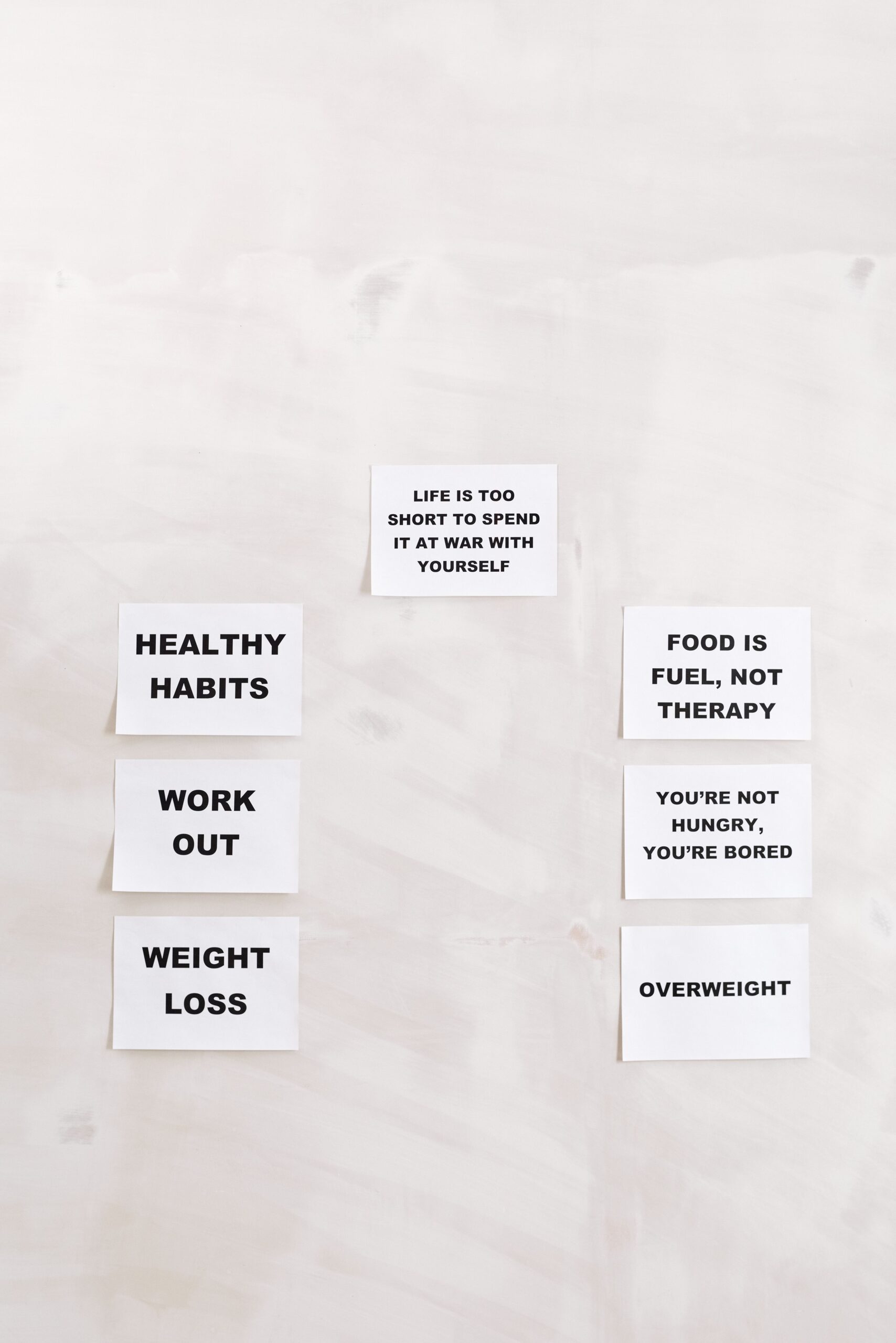
How to Stay Consistent and Build Lasting Self-Care Habits

How to Stay Consistent and Build Lasting Self-Care Habits

Busy parents juggling work, family logistics, and everyone else’s needs often start strong with self-care goal setting, then watch it fall apart by week two. The core tension isn’t motivation; it’s wellness consistency challenges like time scarcity, stress spikes, and all-or-nothing thinking that turns one missed day into “I failed.” On a general wellness journey, these common wellness obstacles can make even simple routines feel oddly hard to maintain. With the right reset, motivating wellness habits can stop feeling like another chore and start feeling like support.

Build a Self-Care Plan You’ll Actually Stick With

This process helps you pick the right wellness goals, decide what matters most right now, and turn it into a simple plan you can repeat even on busy weeks. It matters because consistency comes from fit, not perfection, especially when real life keeps changing.

  1. Take a quick, honest baseline check
    Start by assessing your current state across a few areas like sleep, mood, movement, stress, and connection. Keep it simple: “What feels stable?” and “What feels strained?” A clear starting point prevents you from choosing goals based on guilt or wishful thinking.
  2. Choose one “most helpful next” goal
    Pick a single focus that would make the next two weeks easier, not a full life overhaul. If multiple things feel urgent, prioritize the one that reduces friction across your day (for example, sleep supports mood, appetite, and patience). This keeps your plan realistic when schedules get tight.
  3. Turn the goal into a tiny, scheduled action
    Convert your goal into something you can do in 5 to 15 minutes and attach it to a time you already have, like after the school drop-off or right before you shower. Make it specific: “Walk for 10 minutes on three weekdays” beats “exercise more.” If you can’t picture when it happens, it’s not a plan yet.
  4. Set your “minimum” and your “bonus”
    Decide what counts on rough days (minimum) and what you’ll do when energy is higher (bonus). Example: minimum is 5 minutes of stretching, bonus is 20 minutes plus a short meditation. This breaks all-or-nothing thinking so one imperfect day does not erase your progress.
  5. Review once a week and adjust without judgment
    Choose one weekly check-in time and ask: What worked, what didn’t, and what needs to change for next week? Use an honest picture of where you are starting to guide your tweaks, not a “should” list. If it didn’t happen, shrink the action or move the timing, then try again.

Use Real Success Stories to Strengthen Your Consistency Mindset

Once you’ve mapped out a realistic self-care plan, it helps to feed your mindset with reminders that progress is possible, even when it’s messy. Listening to inspiring podcasts can reinforce healthy habits in a surprisingly practical way: you get a steady dose of motivation, self-care tips you can actually use, and a sense of accountability that makes it easier to keep showing up for your wellness goals. Interview-style stories are especially powerful because they normalize setbacks. When you hear someone describe the detours, doubts, and restarts that still led to change, persistence starts to feel more natural than perfection. If you like learning through real-life journeys, the UoPX alumni podcast shares stories and practical insights from alumni who transformed their lives through learning, offering both motivation and advice for listeners considering their own path to success.

Low-Friction Habits for Lasting Self-Care

Consistency is less about willpower and more about repeatable cues you can keep even on busy weeks. Choose a few habits that feel almost too easy, then let frequency and small wins build confidence over time.

Anchor-and-Add Routine
  • What it is: Use habit stacking by adding one small action after a set routine.
  • How often: Daily
  • Why it helps: A reliable cue reduces decision fatigue and makes follow-through automatic.
Two-Minute Start
  • What it is: Begin with two minutes of the habit, then stop or continue.
  • How often: Daily
  • Why it helps: Starting is the hardest part, and momentum often carries you.
Weekly Reset Check-In
  • What it is: Review your calendar and pick three self-care blocks for the week.
  • How often: Weekly
  • Why it helps: Planning once prevents daily negotiating and protects your time.
Kind Self-Talk Prompt
  • What it is: Ask yourself if you can say something kind right now.
  • How often: Daily
  • Why it helps: Supportive inner language makes it easier to restart after slips.
Minimum Viable Self-Care Menu
  • What it is: Keep a short list of five-minute options for rough days.
  • How often: As needed
  • Why it helps: You stay consistent without overreaching when energy is low.

Self-Care Consistency: Common Questions Answered

Q: What should I do when I miss a day and feel like I failed?
A: Treat it as a normal interruption, not a character flaw. Restart with the smallest version of your habit today so your brain relearns “I come back.” A simple rule helps: never miss twice if you can help it.

Q: How do I restart after a bad week without overcompensating?
A: Avoid the “make up for it” trap that leads to burnout. Pick one easy action and repeat it for three days, then reassess. The goal is to rebuild trust with yourself, not prove anything.

Q: Why do I lose motivation even when self-care helps?
A: Motivation naturally rises and falls, so plan for low-motivation days. Tie your habit to stress support since emotional wellness includes handling life’s stresses and adapting to change. Keep a short list of five-minute options for days when you are running on fumes.

Q: When life is hectic, what is the minimum I should aim for?
A: Choose a “floor,” like two minutes of movement, one glass of water, or three slow breaths. Floors keep your identity consistent even when your schedule is not.

Q: Can I build consistency if I am exhausted or dealing with low mood?
A: Yes, but lower the bar and increase the kindness. Self-talk matters because the ability to recover from difficult times is part of wellness, too. If you need extra support, reach out to a trusted person or a professional.

Build Long-Term Self-Care Success With One Consistent Habit

Staying consistent with self-care is hard because real life gets messy, and missed days can feel like proof it won’t stick. The way through is an empowering wellness mindset that treats resets as normal and leans on patient goal achievement, small choices repeated, not perfect weeks. With that approach, consistent healthy habits become easier to return to, and motivational support for wellness shifts from pressure to steady confidence. Consistency is simply returning, gently and often, to what supports you.

How Senior Couples Can Confidently Build a Joyful Life Together


Picture via: Pexels

How Senior Couples Can Confidently Build a Joyful Life Together

For senior couples planning a later-in-life marriage, the excitement is real, and so is the pressure to get it right. Building a life together in the golden years often means blending established routines, family expectations, and long-held ideas about independence, which can surface unique challenges of senior marriage even in the happiest partnerships. Embracing life transitions like this takes more than love; it takes clarity about what each person needs to feel secure and respected. With the right shared mindset, golden years relationships can feel steady, joyful, and deeply aligned.

Make the Big Three Decisions: Home, Money, and Paperwork

The happiest later-in-life marriages don’t avoid logistics, they handle them with clarity and kindness. Use this simple framework: make one decision at a time, agree on a “good enough for now” plan, and set a date to revisit it.

  1. Choose a “home base” plan with three options on the table: Write down three realistic housing options for seniors, stay in one home, buy/rent a new place together, or keep two homes for a season. For each option, score it 1–5 on health access, cost, upkeep, proximity to family/friends, and how it supports the lifestyle realities you named earlier (energy levels, caregiving possibilities, grandkid time). Then pick a 6–12 month trial plan with a clear review date so no one feels trapped.
  2. Run a retirement-safe cash-flow check before combining assets: Pull the last 3 months of spending and compare it to guaranteed income (Social Security, pensions, annuities) before you make any big moves. Decide on a “must-cover” monthly number (housing, food, insurance, medical) and commit to protecting it, this keeps love from accidentally destabilizing retirement. If one partner has higher medical costs or supports adult children, name that explicitly and build it into the plan.
  3. Merge finances in layers instead of all at once: Start with a “yours/mine/ours” system: keep individual accounts, add one joint checking account for shared bills, and agree on how much each person contributes. A practical first step is to review banking records together and make a simple inventory of every account, automatic payment, and beneficiary. Give yourselves 60–90 days on the layered system before you consider deeper combining assets like investment accounts.
  4. Create a one-page “money rules” agreement you both can live with: Put in writing how you’ll handle purchases over a certain amount (many couples choose $200–$500), gifts to family, and whether either of you will financially support someone outside the marriage. Include what happens if one partner becomes the primary caregiver or if one person wants to downsize sooner than the other. This isn’t about mistrust, it’s about protecting peace when emotions run high.
  5. Update legal documents and beneficiaries within 30 days of the wedding: Make a checklist for wills, powers of attorney (financial and healthcare), advance directives, and beneficiary designations on retirement accounts and life insurance. The fact that two-thirds of people do not have a will is a good reminder to treat this as a priority, not a someday task. If you both have kids, clarify what stays separate, what becomes shared, and who inherits what, then confirm your paperwork matches your intentions.
  6. Build a shared “life admin” system so nothing lives in one person’s head: Choose a monthly 30-minute meeting to review bills, upcoming medical appointments, and any paperwork deadlines. Keep a single folder (digital or physical) with: account list, insurance cards, key contacts, and copies of updated legal documents for marriage. When the basics are organized, you free up energy to plan the fun stuff, like a small shared project that adds purpose and structure to your days.

Build a Shared Retirement Project: Low-Pressure Business Ideas You’ll Enjoy

Once you’ve sorted the practical “big three,” you can turn your attention to something that adds energy and meaning to your days together: a shared project. Starting a small business as a couple can be surprisingly rewarding in retirement. It’s a built-in way to spend more time together, planning, creating, and problem-solving side by side, and it can also be the perfect opportunity to pad your income without taking on the pressure of a full-time job.

If you do take the leap, think about how you’ll market what you offer so people can find you and remember you. One simple step that makes your idea feel real and organized is creating a logo. You can do it yourself by using a logo maker: choose a style and an icon, add the text you’ll need, then browse an assortment of logo options and tweak the fonts and colors until it fits.

Plan → Coordinate → Review Your Admin Rhythm

When health, taxes, and care tasks pile up, they can quietly steal the joy you are building together. This workflow gives you a calm, repeatable way to handle Medicare updates, insurance coordination, tax filing for retirees, and long-term care planning without turning your relationship into a paperwork project.


Stage Action Goal
Collect Gather statements, letters, bills, and policy notices. Everything needed is in one place.
Update Medicare Check enrollment windows, plans, providers, and prescriptions. Coverage matches current health needs.
Coordinate Insurance Align supplemental plans, dental, vision, and drug coverage. Fewer gaps, fewer surprise costs.
Adjust Social Security Review earnings record, benefit timing, and deposits. Benefits reflect your latest decisions.
Tune Taxes Confirm withholding, estimated taxes, and filing status. No stressful surprises at tax time.
Plan Long Term Care Discuss care preferences, documents, and funding options. A shared plan for future support.


Start with Collect so you are reacting less and deciding more. Each step builds clarity for the next, and the final stage turns today’s choices into a steady safety net you both understand.

Questions Couples Ask When Starting Over Together

Q: What are the key factors senior couples should consider when choosing a home to support their new life together?
A: Prioritize safety and ease: fewer stairs, good lighting, and a layout that works if mobility changes. Compare total monthly costs, not just the price, including taxes, maintenance, and transportation. Decide in advance how you will handle “my stuff vs. our space” to prevent small conflicts from growing.

Q: How can senior couples effectively combine and manage their finances to avoid stress and confusion?
A: Choose a simple system: shared bills account, personal spending accounts, and one monthly money meeting with a written agenda. Put in writing who pays what, how large purchases are approved, and what happens if one of you becomes ill. When questions turn legal, remember legal help for 91% of seniors’ civil legal problems is often unmet, so asking for qualified guidance early is a strength.

Q: What important updates should be made regarding insurance and Medicare when getting married later in life?
A: Review each person’s Medicare plan, prescription coverage, and provider network before making changes. Update beneficiaries and contact info on Medicare-related plans, life insurance, and any retiree coverage. If you disagree on timing, pause and list priorities first: cost, doctors, medications, and predictable coverage.

Q: How can senior couples plan ahead for long-term care costs without feeling overwhelmed?
A: Start with preferences, not numbers: where you would want care and who can help. Then collect current income, savings, and insurance details and pick one small next step, such as pricing local home-care hours. A short conversation now can prevent rushed decisions later.

Build Confident Shared Retirement Plans That Enrich Your Life Together

Starting over together can stir up big questions, money, family dynamics, health changes, and who decides what, right when cherishing shared time matters most. A positive aging mindset, grounded in clear agreements and open conversation, turns those “what-ifs” into workable plans and real senior couple empowerment. When that approach leads, embracing new life chapters feels less like risk and more like steady life enrichment in later years, supported by optimistic retirement planning. Love grows best when plans are clear and choices stay kind.